
Vision evolves throughout life
Vision is not static. It changes over time as the eyes develop, adapt, and age.
From childhood to adulthood and beyond, different visual demands and physiological changes influence how we see and how our eyes function.
Understanding these changes helps identify when and why visual care becomes important at each stage of life.
Childhood: developing vision
During childhood, the visual system is still developing.
Clear and stable vision is essential for:
- Learning and reading
- Coordination and spatial awareness
- Academic performance
One of the most common conditions at this stage is the increasing prevalence of myopia (nearsightedness), which can progress if not properly monitored.
Early detection plays a key role in long-term visual outcomes.
Young adulthood: visual performance and lifestyle
In young adults, vision is typically stable, but visual demands increase significantly.
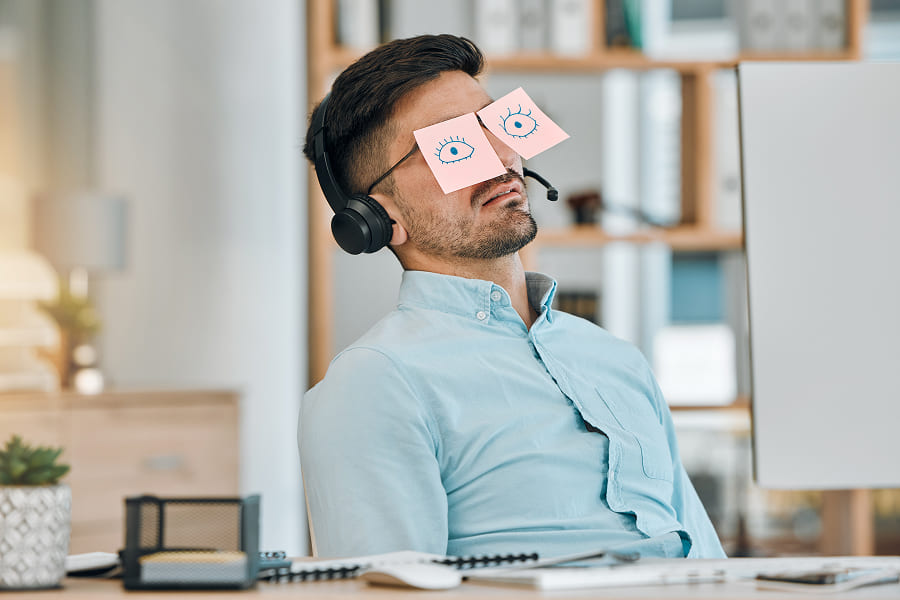
Digital devices, prolonged near work, and professional tasks require sustained visual focus.
At this stage, visual discomfort may appear in the form of:
- Eye strain
- Difficulty maintaining focus
- Fatigue after screen use
Even in the absence of noticeable vision problems, visual performance becomes increasingly important.
Adulthood (40+): changes in near vision
As part of the natural aging process, the ability to focus on near objects gradually decreases.
This condition, known as presbyopia, affects most people over time.
Common signs include:
- Difficulty reading small text
- Needing more light to see clearly
- Holding objects farther away to focus
These changes are normal but require appropriate visual correction.
Why a stage-based approach matters
Each stage of life presents different visual challenges.
Understanding these differences allows for:
- Early detection of potential issues
- More accurate visual correction
- Improved comfort and performance in daily life
Clinical approach at MONAVISTA
At MONAVISTA, visual care is approached as a continuous process that evolves with each stage of life.
We integrate pediatric eye care, adult vision correction, and digital visual health into a unified clinical approach.
Conclusion
Vision changes naturally over time, influenced by development, lifestyle, and aging.
Recognizing these changes allows for better visual care and long-term eye health.