
Vision is adapting to a different world
Over the past decades, the way we use our eyes has changed significantly.
Daily activities now involve prolonged screen use, sustained near work, and less time spent outdoors.
These changes have influenced how the visual system functions across all stages of life.
More near work, less visual variation
Modern lifestyles often require continuous focus at short distances.
Reading, working on computers, and using mobile devices all involve sustained near vision.
At the same time, there is less frequent shifting between near and far distances.
This reduction in visual variation can increase the overall demand on the focusing system.
Impact on children: visual development and myopia
In children, visual habits play an important role in how the visual system develops.
Increased indoor activity and prolonged near work have been associated with a higher prevalence of myopia.
Because the visual system is still developing, these factors can influence how vision evolves over time.
Early monitoring and appropriate visual care are important in this stage.
Impact on young adults: digital visual demand
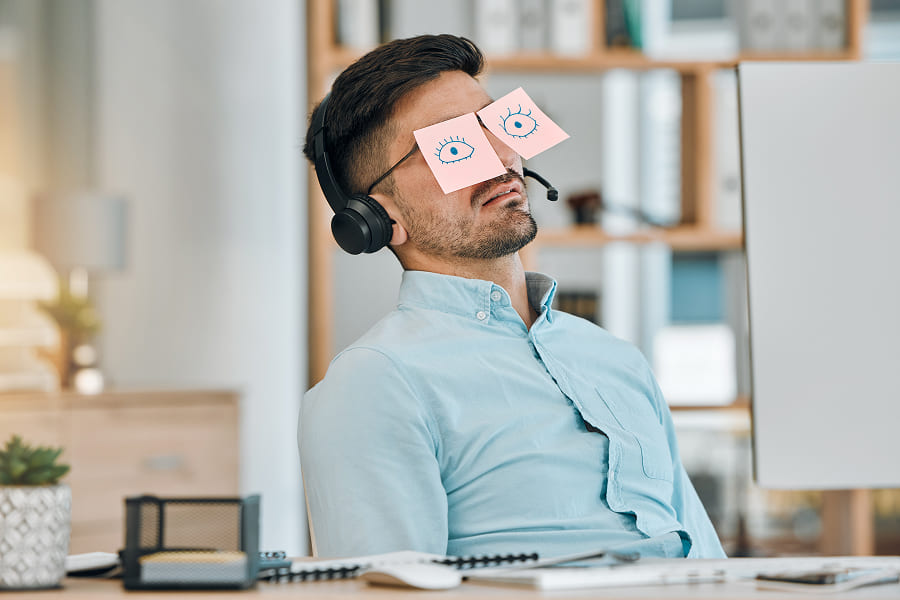
Young adults are exposed to high levels of digital activity in both work and daily life.
Prolonged screen use can lead to:
- Visual fatigue
- Difficulty maintaining focus
- Reduced visual comfort over time
Additionally, decreased blink rate during screen use may affect tear film stability, contributing to ocular surface discomfort.
Impact on adults over 40: functional changes become more noticeable
As natural changes in near vision occur with age, modern visual demands can make these changes more noticeable.
Tasks such as reading on screens or switching between devices and distance vision may require more effort.
This combination of physiological change and lifestyle demand increases the importance of appropriate visual solutions.
A multifactorial effect on visual health
Modern visual challenges are not caused by a single factor.
They result from a combination of:
- Increased near work
- Reduced outdoor exposure
- Prolonged screen use
- Changes in visual habits
Understanding this multifactorial nature is essential for proper visual care.
Why a comprehensive approach is important
Because visual demands have changed, eye care must also adapt.
A comprehensive approach considers:
- Visual function
- Lifestyle habits
- Ocular surface health
- Long-term visual development
This allows for more precise and personalized care.
Clinical approach at MONAVISTA
At MONAVISTA, we approach visual health with an understanding of how modern lifestyles influence the visual system.
We integrate pediatric eye care, adult vision correction, and digital visual health into a unified clinical model.
Conclusion
Modern lifestyles have changed how we use our eyes, increasing visual demands across all ages.
Understanding these changes allows for better prevention, evaluation, and long-term visual care.
MONAVISTA — Comprehensive Vision Care
At MONAVISTA, we provide comprehensive eye care adapted to modern visual lifestyles, focusing on precision, comfort, and long-term visual health.